Land Clearing Services in Clarksville & Montgomery County
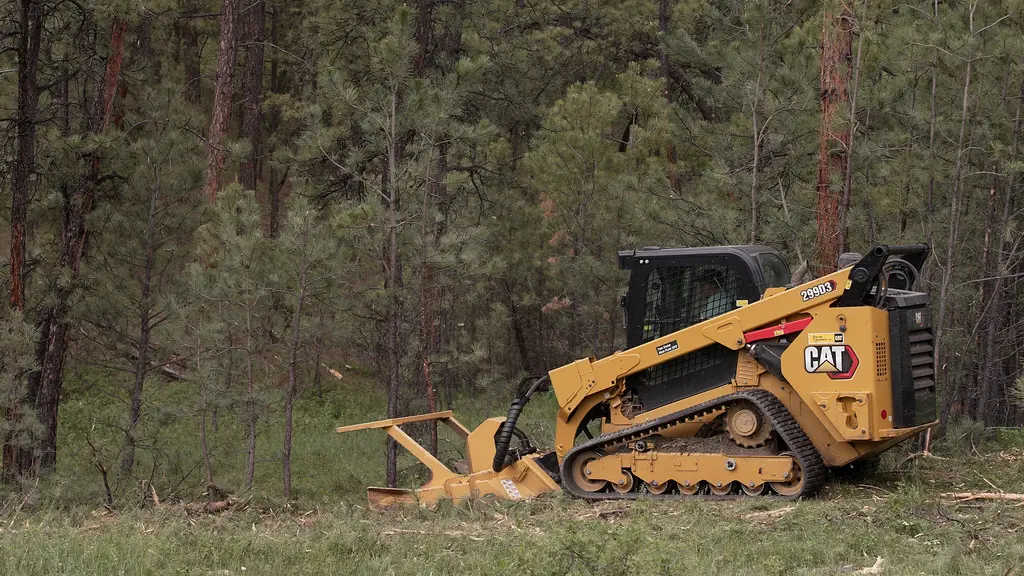 Photo: USDA NRCS Montana (public domain)
Every service below has its own page with pricing ranges, process, and timelines.
Forestry Mulching
One machine grinds brush, cedars, and small trees into mulch right where they stand — no burn piles, no haul-off trucks, no burn permit. Typically $400–$800 per acre for light-to-moderate growth, and usually the fastest, cheapest way to clear land in Middle Tennessee.
Brush Clearing & Underbrush Removal
Overgrown lots, privet and honeysuckle thickets, briars, and cedar encroachment cleaned out so you can see, walk, and use your property again.
Lot Clearing for New Construction
Trees, brush, and stumps removed down to a buildable pad, on your builder's timeline.
Stump Removal & Stump Grinding
Grinding for stumps you want gone from view; full removal for stumps you're building over — with honest advice on which one your project needs.
Bush Hogging & Pasture Reclamation
Field mowing and fence-line-to-fence-line reclamation of fallow pasture for cattle, horses, and hay — including the eastern red cedar that swallows Montgomery County fields.
Right-of-Way & Fence Line Clearing
Driveway corridors to landlocked acreage, utility easements, new fence lines, survey lines, and hunting trails — cleared straight and wide enough.
Site Prep & Grading
The step after clearing: grubbing roots, rough grading, gravel driveways, culverts, and erosion control, so cleared land becomes build-ready land in one contract.
Land Clearing Cost Guide
Real per-acre numbers for Clarksville — what mulching costs, what traditional clearing costs, and exactly what moves the price. Read it before you collect quotes from anyone.
Forestry Mulching vs. Traditional Land Clearing
Most Clarksville properties don't need bulldozers, burn piles, and a convoy of dump trucks:
| Forestry Mulching | Traditional Clearing (dozer/excavator) | |
|---|---|---|
| How it works | One machine grinds vegetation in place | Push, pile, then burn or haul away |
| Typical cost | $400–$800/acre light-moderate; more when dense | $2,000–$6,000/acre |
| Debris | Becomes a mulch layer that feeds the soil | Burn piles (permit rules) or haul-off fees |
| Ground disturbance | Minimal — roots hold slopes together | Topsoil stripped; erosion control usually needed |
| Best for | Brush, cedars, trees up to ~6–8" diameter | Large timber, stump-free building pads |
Mulching wins on price and cleanup for most acreage jobs; traditional clearing wins when you're putting a foundation where trees are standing. Plenty of jobs use both — mulch the bulk of the land, dig and grade the building envelope. The forestry mulching page has the full comparison; the cost guide has the numbers.
Our Service Area
Based in Clarksville, working throughout Montgomery County — Sango, St. Bethlehem, Woodlawn, Palmyra, Cunningham, Adams, and Southside — plus Dover, Springfield, and the Kentucky side of the Fort Campbell corridor: Oak Grove and Hopkinsville, KY. Within about an hour of Clarksville, the on-site estimate is free.
How the Process Works
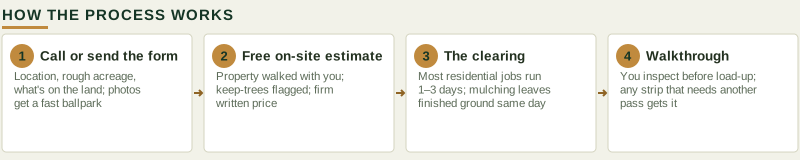
- Call or send the form. Location, rough acreage, and what's on the land — brush, cedars, hardwoods, stumps. Photos by text get you a realistic ballpark on the first call.
- Free on-site estimate. The property gets walked with you — keep-trees, property lines, septic fields flagged; access and terrain checked — and you get a firm written price, not a per-acre guess that grows later.
- The clearing. Most residential jobs run one to three days. Mulching jobs leave a finished ground layer the same day.
- Walkthrough before load-up. You inspect the work. If a strip needs another pass, it gets it before the machine leaves.
What to Expect From the Crew That Clears Your Land
- Proof of insurance before work starts. Clearing at this scale is insured-operator work — expect a certificate in hand before any machine unloads, on every job.
- Local ground knowledge. Montgomery County's karst, cedar glades, and creek bottoms punish contractors who don't know them. Quotes here account for slope, rock, and wet-weather access up front.
- Honest numbers. Per-acre ranges published on this site, firm written quotes after a site visit, and a straight answer when the cheaper method is the right one.
Frequently Asked Questions
How much does it cost to clear an acre of land in Clarksville?
Forestry mulching typically runs $400–$800 per acre for light-to-moderate brush and small trees, climbing to $900–$2,000+ for dense woods. Traditional clearing with dozers and haul-off runs $2,000–$6,000 per acre. Density, terrain, access, and debris handling drive the spread — see the cost guide, then get a firm number from a free on-site visit.
Do I need a permit to clear land in Tennessee?
Cutting vegetation on your own rural property generally requires no permit, but three rules matter. Construction activity (clearing, grubbing, grading) that disturbs one acre or more of soil — or less, if it's part of a larger common plan of development — requires coverage under TDEC's construction stormwater general permit. Inside Clarksville city limits, the city's Storm Water Management Ordinance requires a grading permit for land-disturbing activities, with limited exemptions — check with the Street Department before grading. And burning debris requires a free Tennessee Division of Forestry burn permit from October 15 through May 15, with local burn rules layered on top. Forestry mulching sidesteps the burning question entirely because nothing is burned or hauled.
How long does it take to clear 5 acres?
For typical Montgomery County growth — mixed brush, cedars, and scattered hardwoods — figure one to three days with a forestry mulcher. Dense woods, steep ground, or a full clear-and-grub for construction can stretch that to a week or more. The timeline comes in writing with the quote.
Can you make my land ready to build a house on?
Yes — that's the site prep and grading service: clear the vegetation, grub out stumps and roots in the building envelope, rough grade a pad, and cut in the driveway with culverts where needed.
Can you clear land in winter?
Winter is often the best time: firm ground, less rutting, cleaner mulching of dormant vegetation, and easier scheduling between November and February.
Is forestry mulching better than bulldozing?
For most cleanup and acreage work, yes — cheaper, faster, keeps topsoil in place, and leaves no burn piles. For building pads it's not enough on its own, because mulching leaves roots and grinds stumps only to grade. The honest answer is usually a mix — full comparison on the forestry mulching page.